

BORING W RKS
When household plastic has nowhere to go, it ends up in the sea. We connect households to waste infrastructure to break the cycle.

Our impact
PL STIC
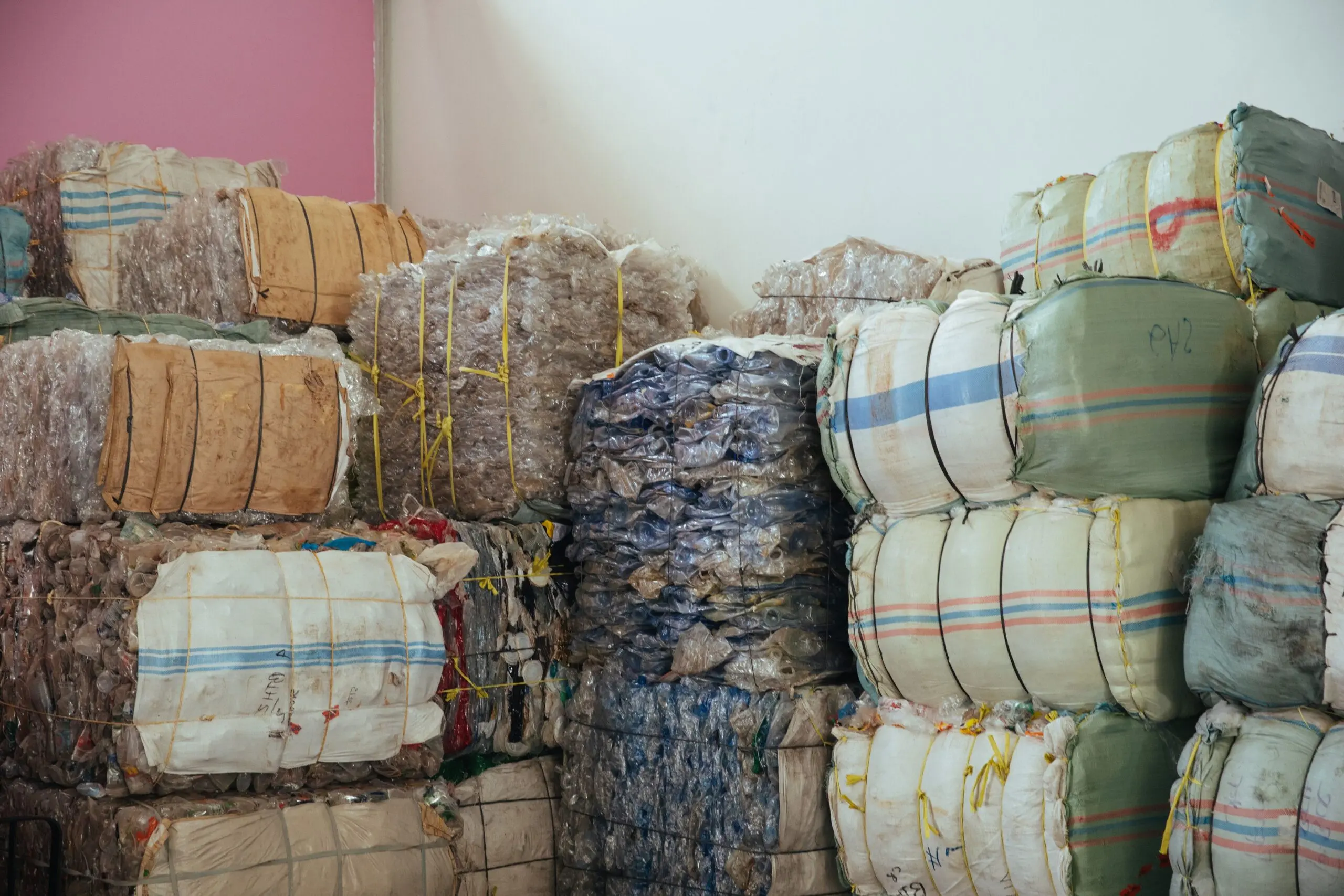
Some types of plastic are easy to recycle. But most are not. Our system takes it all.
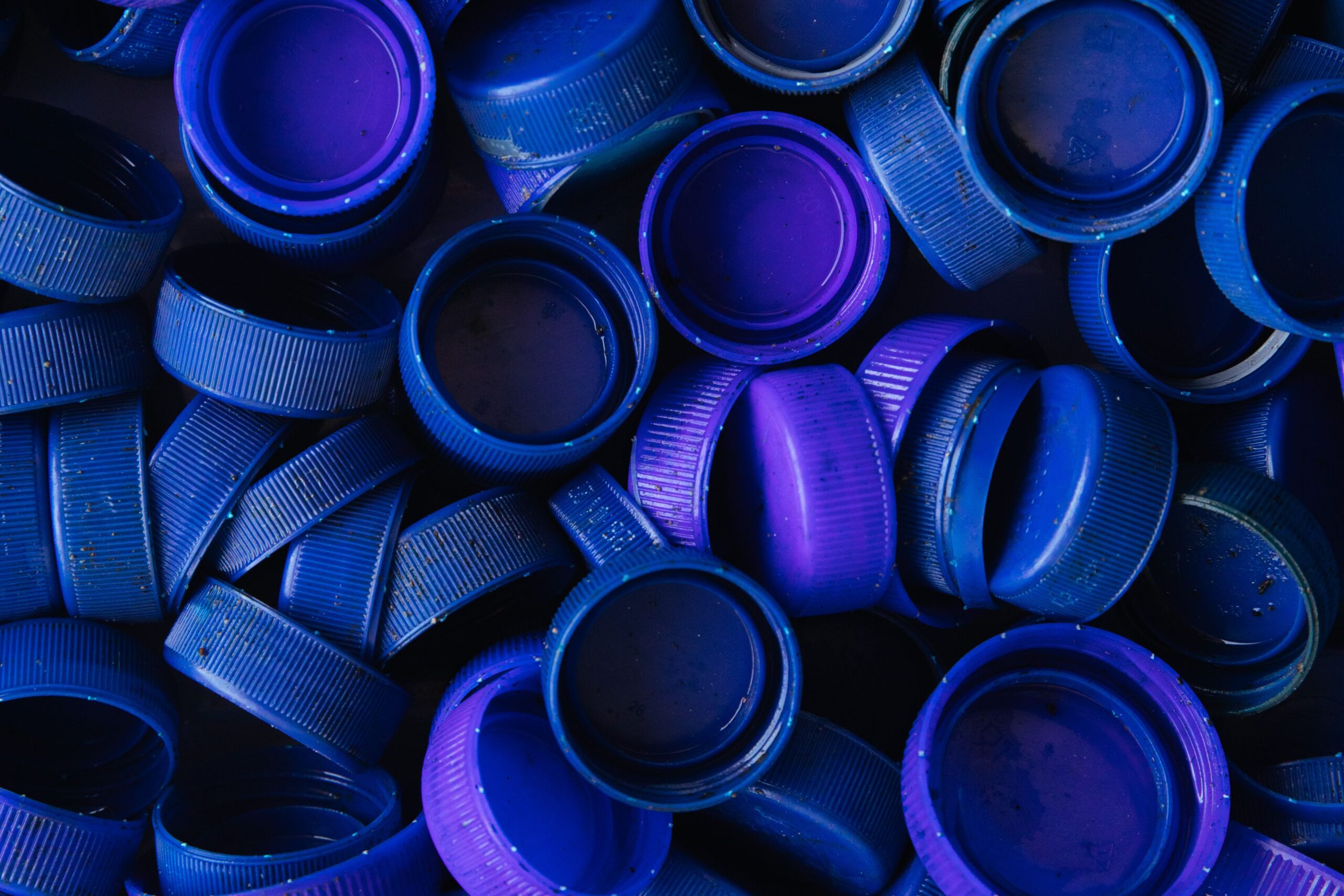
We recycle and upcycle as much material as possible and are developing solutions to turn non-recyclable plastics into valuable products.
In 2025, households in Batam kept 67,211kg of plastic in our system, stopping it from leaking into the sea. This brings the total plastic collected to date to 775,311kg.
To date:

775,311 kg
of plastic collected to date.

67,211 kg
of plastic stopped from leaking into the sea in Batam in 2025.
2,618
households are connected to our system.
80
Material Hubs are active across Batam.
76%
of collected plastic was recycled in 2026.
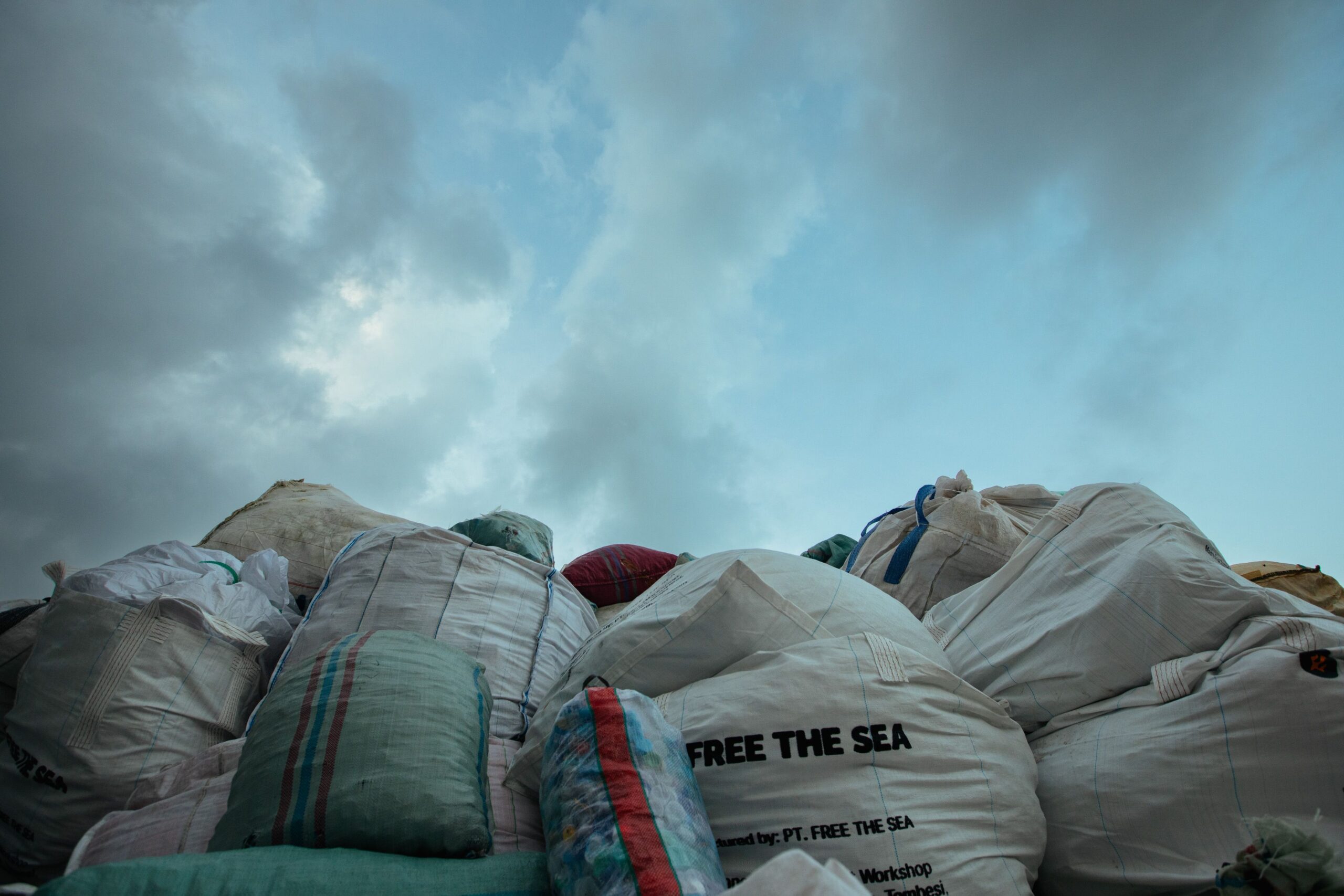
Plastic is collected directly from households
and moves through our system.

Once collected, plastic is separated into recyclable and non-recyclable waste at local Material Hubs.

From there, it’s sent to our Material Recovery Facility, where it is sorted by type and prepared for the next stage.

Recyclable plastic then goes to our Recycling Compound Facility, where it is transformed into pellets ready for manufacturing.
PEOPL
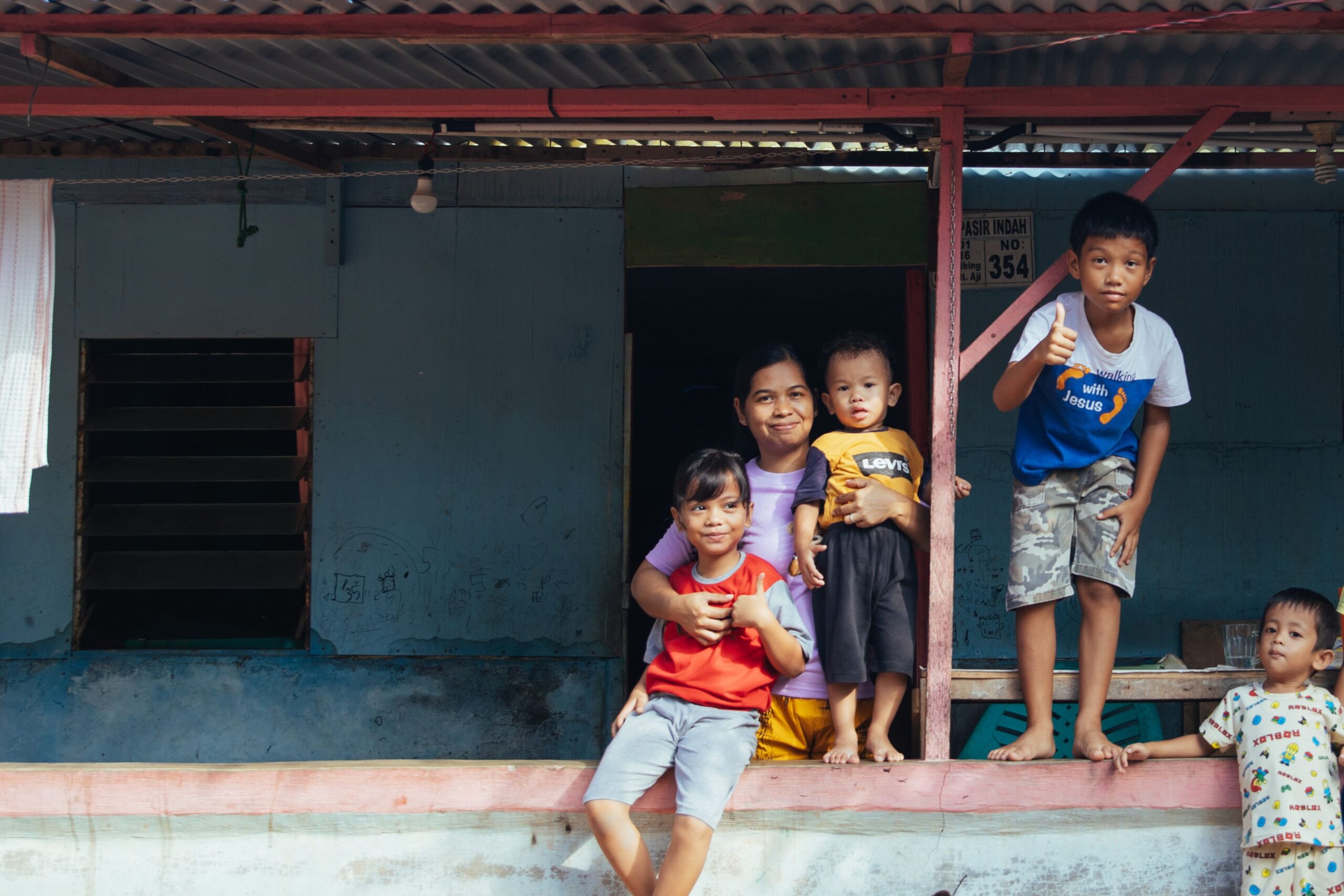
Our waste infrastructure system is powered by a growing community of Plastic Keepers.
Beyond waste collection, our Impact Program is designed to support health, stability and opportunity within the community. These benefits are directly linked to participation in the waste system. We reward people for their actions because they stop plastic from ever reaching the sea.
In 2025:
Over 7,820
individuals benefited from Free The Sea.
1,500
individual health checks were carried out.
2,350
small care packages were distributed.
4,795
grocery vouchers were provided.

64
scholarships were granted to students from 32 schools.
SE
Plastic pollution starts long before it reaches the ocean.
By connecting households to waste management infrastructure in vulnerable coastal areas, we give plastic a way into the system. Every kilogram collected is plastic that doesn't leak into the sea.